
Dec 21st 2018 | Posted by BoliOptics
LED vs Fluorescent Magnifying Lamps: What to Look For When Shopping
LED vs Fluorescent Magnifying Lamps: What to Look For When Choosing One
If you are shopping for a magnifying lamp for electronics repair, soldering, esthetics, crafting, inspection, or detailed close-up work, one of the most important factors to understand is the lighting technology.
Modern magnifying lamps use LED (often SMD LED) lighting, while older models typically use fluorescent or CFL bulbs. The differences between these lighting types directly affect brightness, comfort, energy use, and
…
Dec 4th 2018 | Posted by BoliOptics
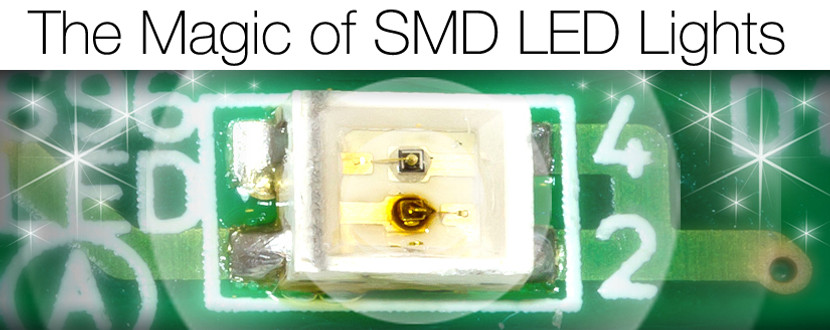
What are SMD LED Lights?
We’re all familiar with LED lights, but have you heard of an SMD LED light? This is a new type of LED technology that will change the way you think about regular LED’s.
What is SMD?
An SMD stands for a surface mount device. Surface mounted devices use SMT (surface-mount technology) to mount LED chips onto printed circuit boards (PCB).
What does this mean for you?
Magnifying lamps made with SMD light ultimately save you time and money. Here’s why you should make the change:
SMD
…

Nov 20th 2018 | Posted by BoliOptics
Science Gifts for Kids and Adults - Boli Optics Microscope Store
Looking for the perfect gift for your science loving friend, colleague, or loved one? We’ve put together a list of affordable & practical science gifts to make the holidays a bit easier for you. The best part is you can also combine all these items to surprise them with a complete set!
1. 40-640X Beginner Biological Compound Monocular Microscope for Students/Hobbyists
You can see specimen at 6 different magnifications from 40X-640X. With 2 interchangeable eyepieces 10x & 16x and 3 objec
…
Nov 7th 2018 | Posted by BoliOptics
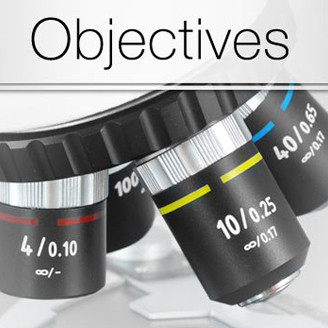
Every Type of Microscope Objective Explained
Standard Achromatic Objectives
An achromatic (or achromat) objective is designed to limit the effects of chromatic & spherical aberration, in other words the incoming light rays are focused in the focal point. Achromatic lenses corrects for color, by bringing in two wavelengths (typically red and blue) into focus. The lack of a flat field of view and limited correction for chromatic aberration reduce the objectives performance. It has a flat field across the central 65% of the image of the
…

Jan 20th 2018 | Posted by BoliOptics
How to Clean Your Microscope
1. Prevention
The best way to keep your microscope clean is prevention.
Keep your microscope covered whenever it is not in use to prevent dust build up.
We recommend using a microscope dust cover, which you can purchase from our store.
We offer a variety of microscope dust covers in different sizes and ESD safe ones:
Dust covers
•
Plastic cover (Small)
•
Plastic cover (Medium)
•
Fabric cover (Small)
•
Fabric cover (Medium)
•
…